
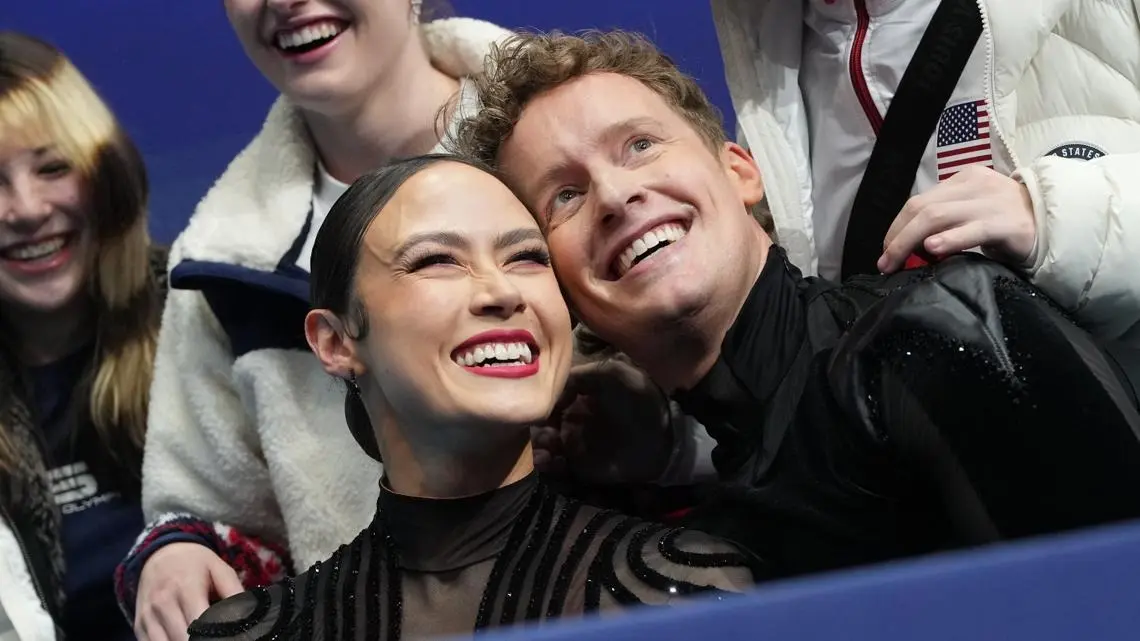
The figure skating world was rocked after the International Skating Union issued an unexpected official apology to US Olympic ice dance champions Madison Chock and Evan Bates following controversy surrounding the judging of the free ice dance program at the 2026 Winter Olympics in Milan Cortina.
In a rare public admission of guilt, the ISU acknowledged that its judge oversight system failed to adequately prevent personal bias during Olympic competition. Officials confirmed that an internal investigation revealed serious scoring irregularities that may have affected the perception of fairness during the decisive free dance segment.
Controversy erupted shortly after the Olympic event concluded, when fans, analysts and athletes began to question the scoring breakdown. Social media analysis quickly highlighted unusual discrepancies in performance grades and component scores assigned to various teams, particularly those involving the American and French pairs.
Within days, thousands of formal complaints flooded into the ISU from skating fans, former athletes and national federations. Among the organizations calling for transparency was US Figure Skating, which formally requested a detailed review of the panel of judges responsible for the Olympic ice dance results.
Facing mounting pressure, the ISU launched an urgent internal review of the Olympic judging panel. Independent technical specialists examined the scoring protocols, comparing each judge’s ratings to established performance metrics and historical judging patterns of major competitions from the previous two seasons.

According to the ISU’s conclusions, the investigation uncovered significant inconsistencies in the scoring conduct of Judge Jézabel Dabouis. Their ratings for several teams deviated markedly from the panel average and from the statistical standards used by the federation to monitor the impartiality of judges.
More worrying to researchers were patterns indicating possible national favoritism. The report concluded that Dabouis repeatedly gave unusually high scores to French ice dance couple Laurence Fournier Beaudry and Guillaume Cizeron compared to the rest of the judging panel.
Analysts who reviewed the data noted that rating discrepancies were particularly pronounced in performance components and transitions, categories where subjective interpretation plays a larger role. These inflated scores significantly influenced the overall score distribution during the free dance.
The ISU statement described the situation as “a failure of supervisory mechanisms.” Officials admitted that the federation’s tracking system did not detect irregularities quickly enough during the event, allowing questionable scoring patterns to go undetected until after Olympic competition concluded.
As a result of the investigation, the ISU announced immediate disciplinary action against Dabouis. The judge has been suspended from all international figure skating competitions for a minimum of two years while an expanded independent review of her entire judging record is conducted.

That expanded review will include events from the previous season, including the controversial judging patterns seen during the 2025 Grand Prix Final. Several analysts had previously noted that similar scoring trends also appeared during that competition.
The ISU also confirmed that an independent ethics committee will examine whether the irregular scoring was the result of conscious bias, unconscious national preference or structural weaknesses in the judges’ evaluation process that allowed deviations to go unchecked.
Despite the serious findings, officials clarified that Olympic medal results cannot be legally altered. Under regulations imposed by the International Olympic Committee, results become final once the official 24-hour appeal period closes after the conclusion of an event.
Because no formal protest was filed within that time period, the final standings for the Olympic ice dance competition remain unchanged. This limitation has frustrated many fans who believe that the American couple deserved greater recognition for their performance.
In response, the ISU announced an unprecedented symbolic gesture. The federation will award Chock and Bates a special award“2026 Olympic Fair Play Medal”, recognizing both their exceptional performance and the injustice highlighted by the investigation.
ISU officials described the medal as official recognition that the American duo put together one of the competition’s strongest programs. The award aims to preserve historical recognition of their achievements despite the impossibility of reviewing the official Olympic results.
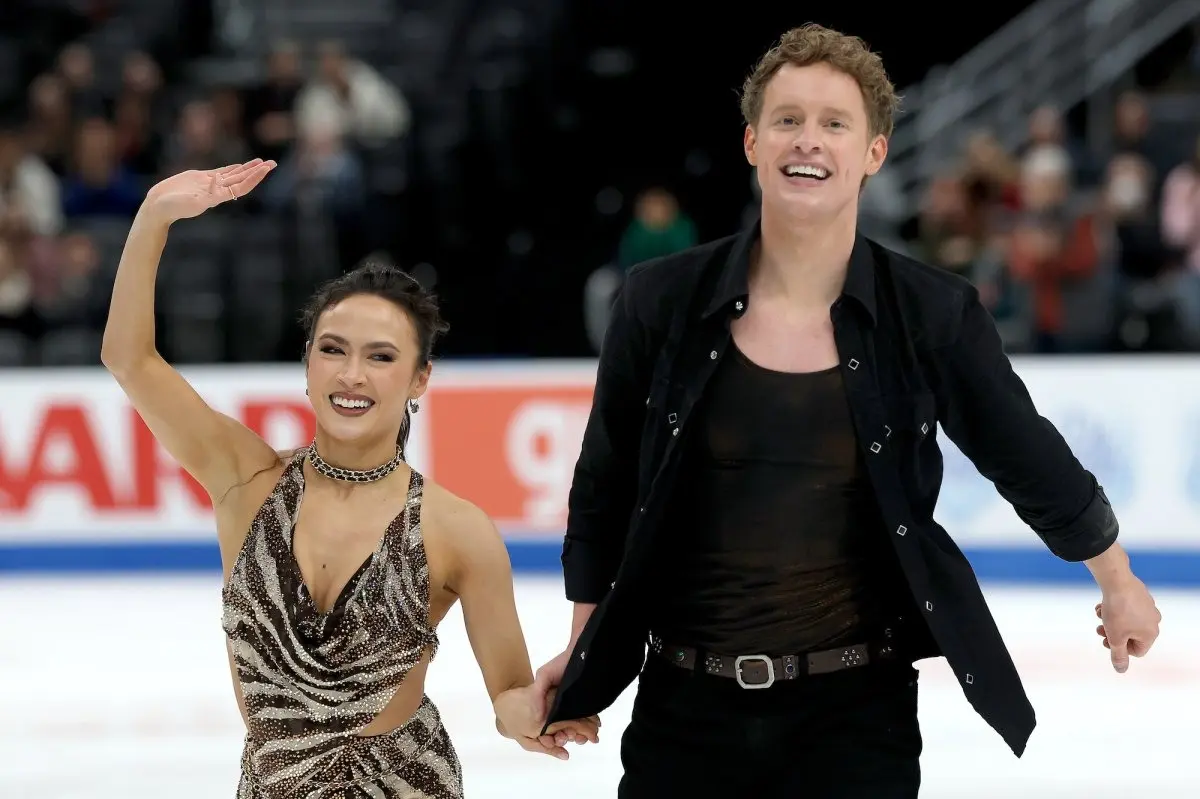
The apology itself contained unusually emotional language. The ISU stated that it deeply regretted the situation and acknowledged the disappointment experienced not only by Chock and Bates but also by their families, coaches and fans throughout the United States.
The federation also outlined a major reform plan for the ice dance scoring system. One key initiative will dramatically increase transparency by publicly publishing detailed explanations of each judge’s Performance Grade ratings and deductions after major competitions.
Another reform involves the introduction of advanced analytical technology. The ISU plans to implement AI-assisted statistical monitoring to detect abnormal scoring patterns in real time, allowing officials to intervene during events before controversial results are final.
While the American couple responded to the apology with measured appreciation, the reaction from the French camp has been far more explosive. Representatives connected to Fournier Beaudry and Cizeron strongly rejected suggestions that their Olympic scores benefited from biased judgment.
Sources close to the situation say the couple’s management team expressed outrage after the ISU president confirmed the investigation’s findings during a press conference. They reportedly argued that the athletes themselves should not be involved in any controversy over judges.
The dramatic fallout has sparked a broader conversation about how to judge transparency in figure skating. As the sport moves toward stricter technological oversight and accountability, many experts believe the controversy surrounding the Milan Cortina Olympics could ultimately trigger the most significant reforms in decades.