
The Olympic stadium was filled with excitement as the women’s sprint final brought together some of the fastest athletes in the world. Among them were Sha’Carri Richardson and Melissa Jefferson, two American sprinters whose journeys had inspired many followers of track and field.
When the race began, the atmosphere in the stadium was electric. Spectators from around the world watched as the athletes accelerated down the track, each one focused on achieving the best performance of her career on one of sport’s biggest stages.
In the final moments of the race, Sha’Carri Richardson surged ahead with remarkable speed and composure. Crossing the finish line first, she secured the victory and immediately drew enthusiastic cheers from the crowd celebrating her impressive achievement.
Melissa Jefferson finished just behind the winner, delivering a strong performance that reflected years of preparation and dedication. Despite the disappointment of not winning the gold medal, her result remained an important milestone in her career.
As the stadium erupted in celebration for Richardson, television cameras captured emotional reactions from several athletes. Among them was Jefferson, who appeared reflective while processing the intensity of the moment after the race concluded.
Later, during a quiet conversation with reporters, Jefferson spoke honestly about her emotions. She acknowledged the difficulty of competing at the highest level while witnessing the powerful spotlight surrounding a teammate’s historic performance.
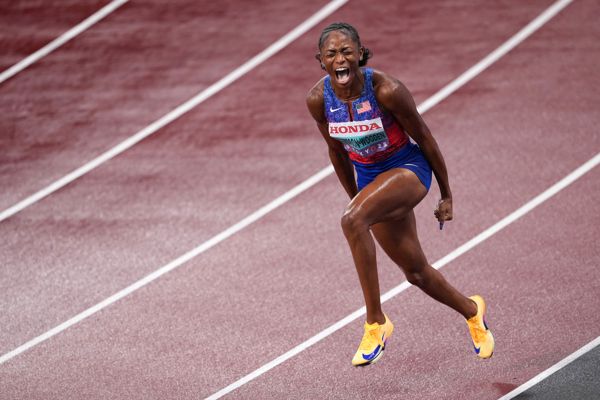
According to the hypothetical scenario discussed by commentators, Jefferson admitted that she sometimes felt overshadowed by the attention given to Richardson. Her words reflected the complex emotions that athletes may experience during moments of intense competition.
She explained that admiration and envy can exist at the same time in sports. Watching another athlete succeed can inspire respect while also reminding competitors of their own ambitions and challenges.
Jefferson emphasized that her feelings did not diminish her respect for Richardson’s talent and dedication. Instead, she described them as part of the emotional reality that comes with striving for excellence at the Olympic level.
Many athletes later commented that such honesty is rarely expressed publicly. Competitive environments often encourage athletes to focus only on victory, leaving little space for discussions about vulnerability or personal reflection.
The interview quickly attracted attention across the sports community. Fans appreciated Jefferson’s openness, noting that her perspective revealed a more human side of elite competition.
Meanwhile, Sha’Carri Richardson was continuing to celebrate her victory with teammates and coaches. The moment represented a significant achievement for the sprinter, who had worked tirelessly to reach the top of the sport.
Despite the celebration surrounding her triumph, Richardson also became aware of Jefferson’s emotional interview. Soon afterward, she chose to respond with a message that reflected empathy and support.
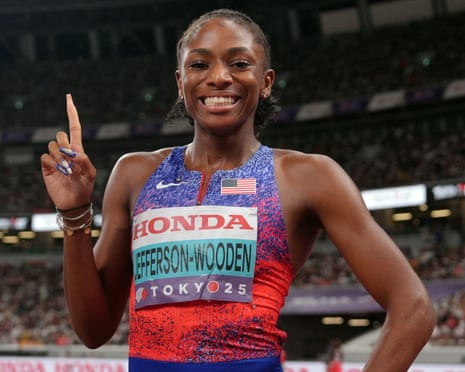
In a brief statement shared privately with Jefferson and later discussed by reporters, Richardson expressed appreciation for her teammate’s courage in speaking honestly. The message contained twenty-one words emphasizing respect, encouragement, and shared pride in representing their country.
According to those familiar with the exchange, the message reminded Jefferson that success in athletics can take many forms. It also emphasized that every athlete contributes to the story of a memorable race.
Jefferson reportedly read the message quietly before responding with gratitude. The gesture helped transform what had been a moment of personal disappointment into an opportunity for connection between competitors.
Other athletes soon reached out as well. Several teammates and fellow competitors sent supportive messages recognizing Jefferson’s performance and acknowledging the emotional intensity of the Olympic environment.
The response from the track and field community was overwhelmingly supportive. Coaches and former champions highlighted the importance of recognizing the psychological demands placed on elite athletes.
They explained that Olympic competitions represent years of preparation condensed into a single race lasting only seconds. In such moments, emotions can be powerful and sometimes unexpected.
For Jefferson, the support she received served as a reminder that athletes often share similar experiences even when they stand on different parts of the podium. The understanding of peers can be deeply meaningful.
Many fans also responded positively to Richardson’s compassionate message. Observers noted that the gesture demonstrated maturity and respect between two competitors who had just faced each other on the world stage.
Sports commentators described the exchange as an example of how competition can coexist with empathy. Even in the most intense moments of rivalry, athletes can recognize each other’s dedication and humanity.
The story soon spread across social media and sports broadcasts, where viewers discussed the emotional honesty displayed by Jefferson. Some fans said her words made them appreciate the complexity of athletic competition.
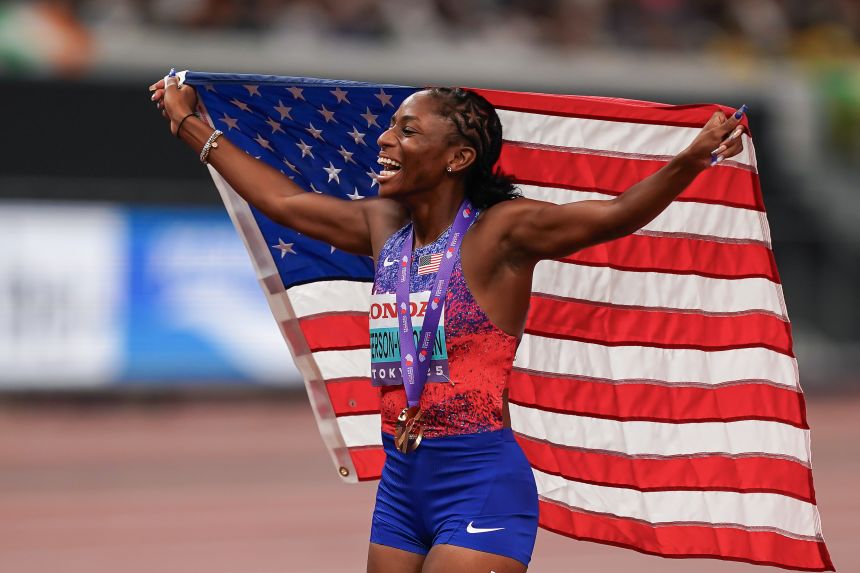
Others pointed out that the narrative reflected the broader reality of sports careers. Behind every medal ceremony are numerous personal stories shaped by perseverance, hope, and resilience.
Richardson’s victory remained a defining moment of the race, but the conversation that followed added another dimension to the event. It highlighted how athletes influence each other beyond the results recorded on the scoreboard.
Jefferson later expressed gratitude for the encouragement she received from both Richardson and fellow competitors. She explained that their support helped her regain perspective after the emotional intensity of the final.
In a follow-up interview, Jefferson said the experience reminded her why she loves the sport. Competing against world-class athletes challenges her to grow both physically and mentally.
She also acknowledged that witnessing Richardson’s performance could serve as motivation rather than discouragement. Seeing a teammate succeed demonstrates what is possible through dedication and discipline.
Richardson, for her part, continued to emphasize unity among athletes representing their country. She stated that each runner’s journey contributes to the collective success of American track and field.
The message resonated with fans who admire both athletes for their determination and character. Many expressed hope that the two sprinters would continue inspiring future generations of runners.
As the Olympic Games continued, the story remained one of the most discussed moments off the track. It illustrated how emotional honesty and mutual respect can deepen the meaning of athletic competition.
For spectators around the world, the race became memorable not only for its speed but also for the human connection that followed. Moments like these remind audiences that athletes experience the same emotions as anyone else.
In the end, what began as a highly competitive Olympic final evolved into a story of empathy and understanding. Through a few heartfelt words, rivals became sources of encouragement for each other.
The experience left many fans reflecting on the true spirit of sport. While medals symbolize achievement, compassion and respect often leave the most lasting impression.